Professor of Islamic Theology with a focus on Qurʾānic studies, early Muslim–Christian contexts, and the historical analysis of religious texts. This website provides a concise overview of research, publications, and academic activities.
A compact overview of core thematic lines. Full details are available on the Research page.
Textual analysis, exegesis, and the historical formation of the Qurʾān with attention to late antique contexts.
Early Muslim–Christian encounters, Syriac traditions, and shared intellectual and religious environments.
Historical theology, doctrinal developments, and contemporary perspectives within Islamic thought.
A short selection. For the complete list, see the Publications page.
Selected public contributions and media appearances related to academic work and institutional activities.
Interview/context on the first year of Islamic-Theological Studies at the University of Vienna.
Open →Coverage including institutional context and public-facing project work in the digital sphere.
Open →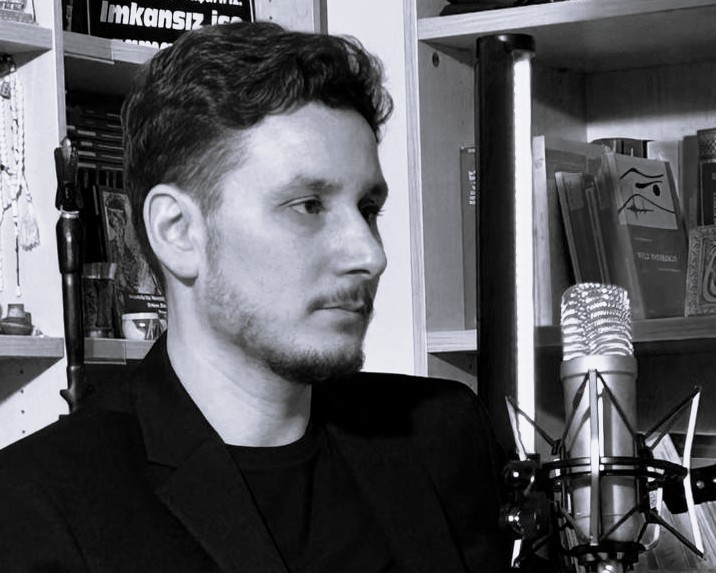
Professor of Islamic Theology with a focus on Qurʾānic studies, early interreligious contexts, and the historical analysis of religious texts. For detailed information, please see the academic CV and profile.
For academic correspondence, invitations, and institutional matters, please use the email contact below.
“Academic research is grounded in methodological rigor and critical engagement with sources.”